

-

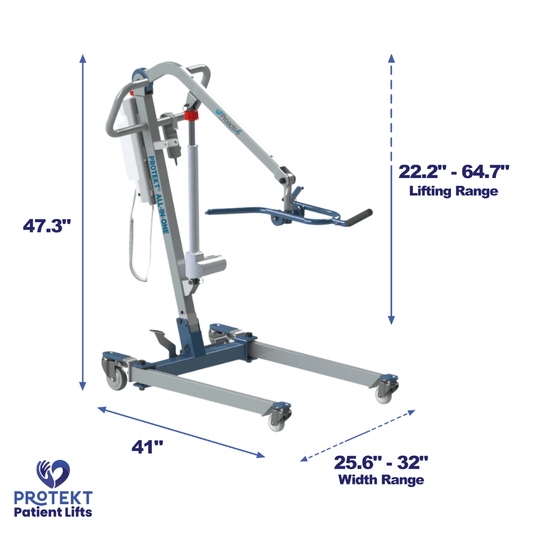
Protekt All-In-One Folding Car Transfer Lift – Portable Electric Patient Lift (350 lb Capacity)
Regular price $1,299.00Sale price $1,299.00 Regular priceUnit price per$1,650.00Sale -
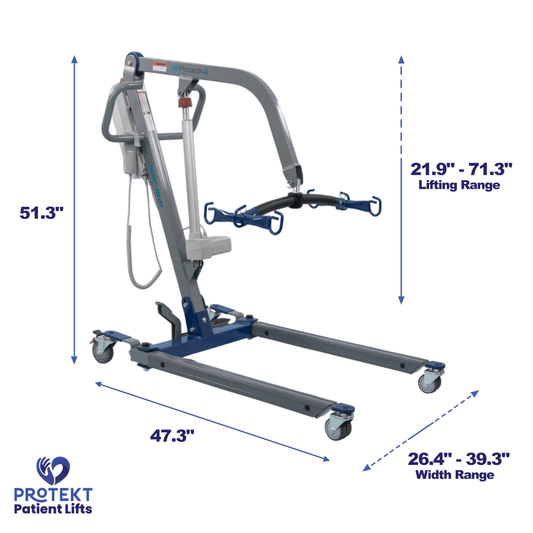
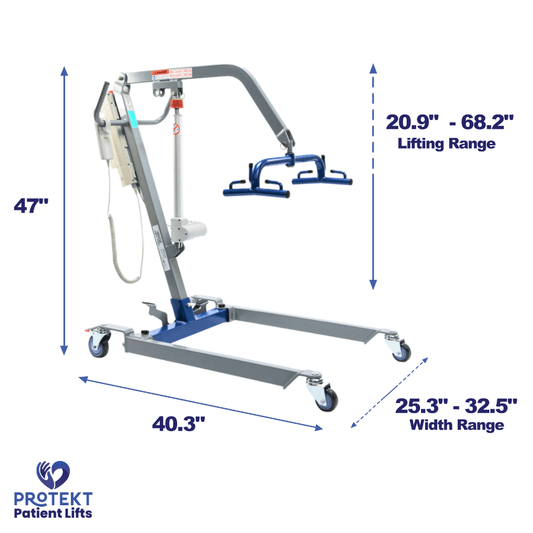
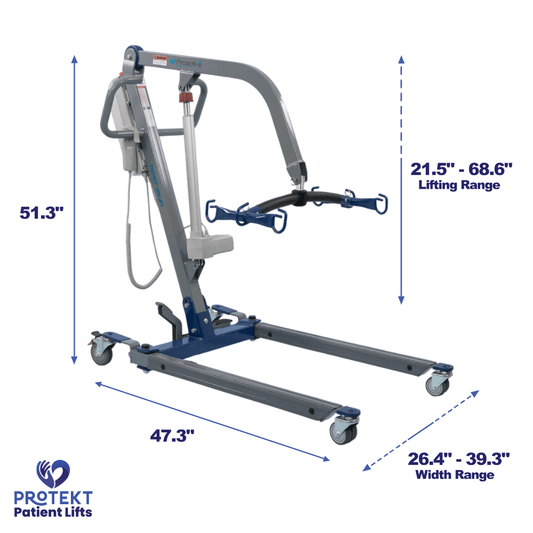
Protekt 500 Electric Full Body Patient Lift – Hoyer-Style Lift (500 lb Capacity)
Regular price $1,299.00Sale price $1,299.00 Regular priceUnit price per$1,725.00Sale -
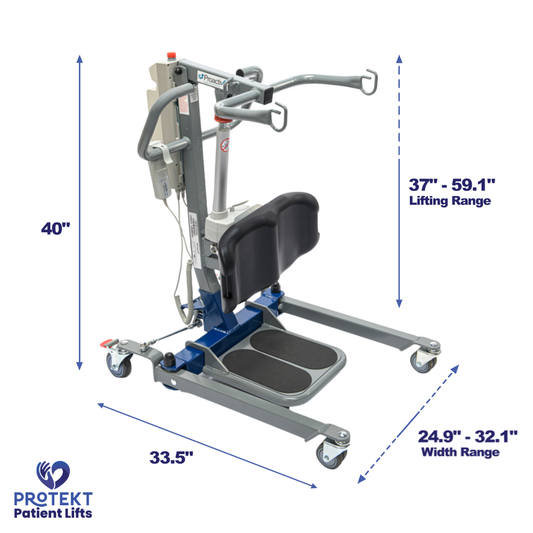
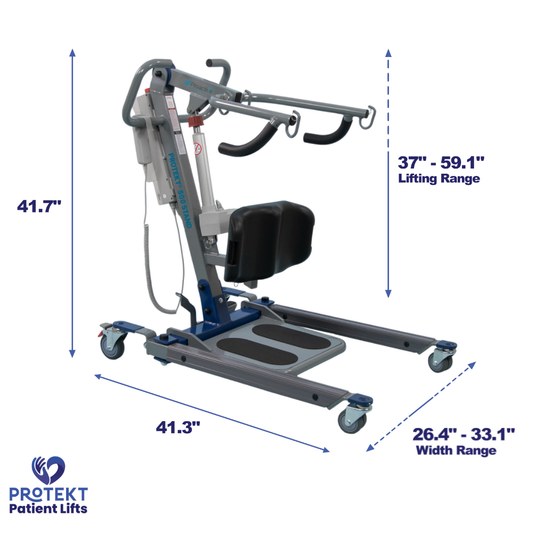
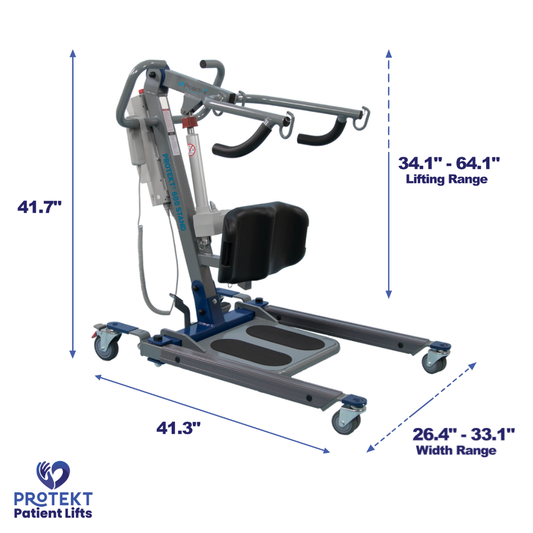
Protekt Compact 500 Sit-to-Stand Electric Lift – Standing Patient Lift (500 lb Capacity)
Regular price $1,399.00Sale price $1,399.00 Regular priceUnit price per$1,550.00Sale -
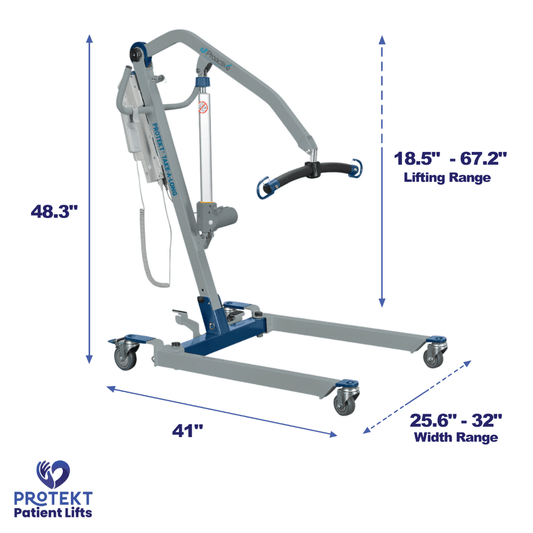
Protekt Take-A-Long Folding Portable Patient Lift – Hoyer-Style Travel Lift (400 lb Capacity)
Regular price $1,199.00Sale price $1,199.00 Regular priceUnit price per$1,550.00Sale -
Protekt 500 Sit-to-Stand Electric Patient Lift – Standing Transfer Lift (500 lb Capacity)
Regular price $1,550.00Sale price $1,550.00 Regular priceUnit price per$1,950.00Sale -
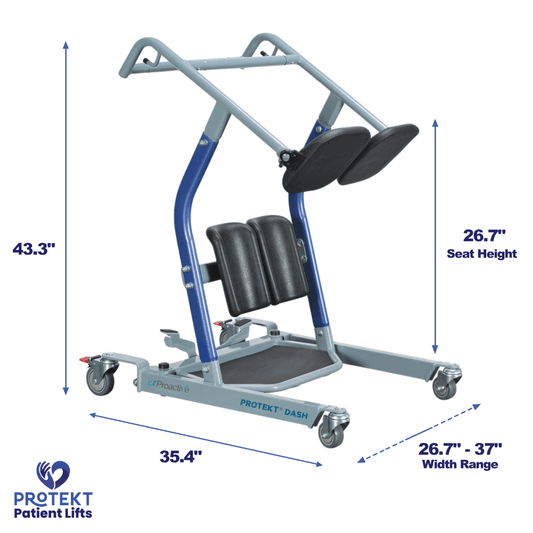
Protekt Dash Standing Transfer Aid – Patient Transfer Platform (500 lb Capacity)
Regular price $699.00Sale price $699.00 Regular priceUnit price per$899.00Sale -
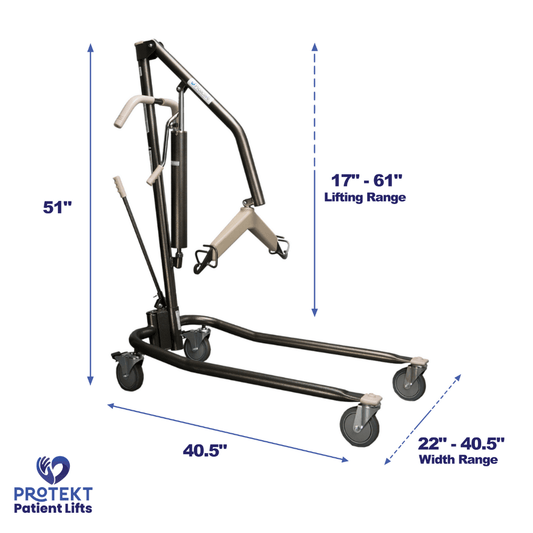
Protekt Transformer Hydraulic Patient Lift – Manual Hoyer-Style Lift (400 lb Capacity)
Regular price Starting at $749.00Sale price Starting at $749.00 Regular priceUnit price per$1,100.00Sale -
Protekt Onyx Hydraulic Patient Lift – Manual Hoyer-Style Patient Lift (450 lb Capacity)
Regular price $549.00Sale price $549.00 Regular priceUnit price per$650.00Sale -
Protekt 600 Sit-to-Stand Electric Lift – Heavy Duty Standing Lift (600 lb Capacity)
Regular price $1,675.00Sale price $1,675.00 Regular priceUnit price per$2,100.00Sale -
Protekt 600 Electric Full Body Patient Lift – Heavy Duty Hoyer-Style (600 lb Capacity)
Regular price $1,450.00Sale price $1,450.00 Regular priceUnit price per$1,815.00Sale -
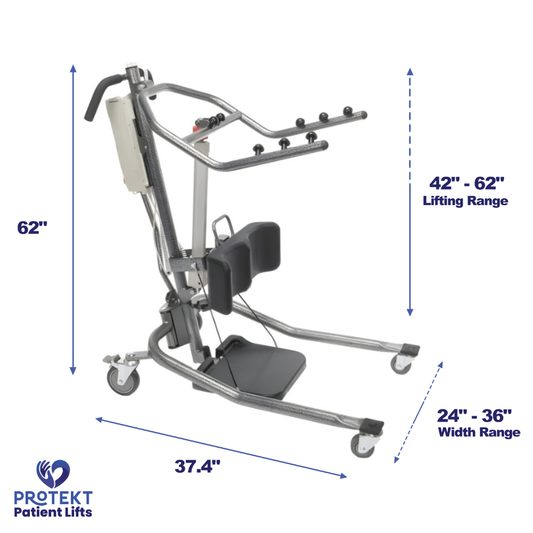
Protekt 350 Hydraulic Sit-to-Stand Lift – Manual Standing Patient Lift (350 lb Capacity)
Regular price Starting at $850.00Sale price Starting at $850.00 Regular priceUnit price per$1,100.00Sale











Recently Viewed Products

Help Us Help Veterans
Every single patient lift ordered sends support to the Wounded Warriors Project and Disabled American Veterans Foundations!
When you buy from us, you help us help our veterans, and we greatly appreciate that.
Blog Posts
View all-

The Protekt All-in-One Car Transfer Lift: Redef...
Discover how the Protekt All-in-One Car Transfer Lift simplifies mobility at home and on the road. Learn about its features, specs, and why this portable patient lift for car transfers...
The Protekt All-in-One Car Transfer Lift: Redef...
Discover how the Protekt All-in-One Car Transfer Lift simplifies mobility at home and on the road. Learn about its features, specs, and why this portable patient lift for car transfers...
-
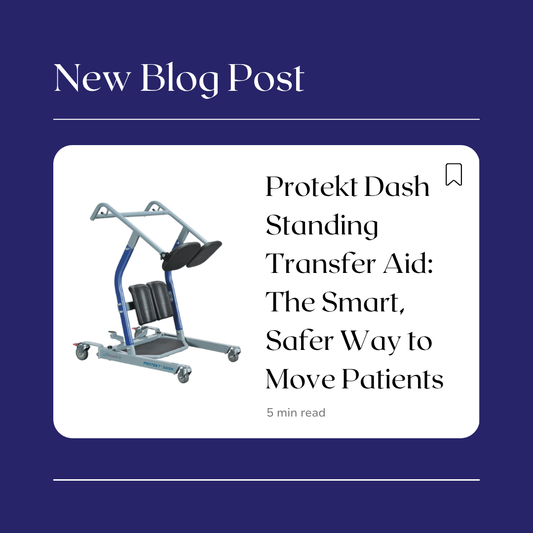
Protekt Dash Standing Transfer Aid: The Smart, ...
Looking for a safer, easier way to assist patients or loved ones during transfers? The Protekt Dash Standing Transfer Aid provides reliable support for users with limited mobility, allowing smooth...
Protekt Dash Standing Transfer Aid: The Smart, ...
Looking for a safer, easier way to assist patients or loved ones during transfers? The Protekt Dash Standing Transfer Aid provides reliable support for users with limited mobility, allowing smooth...
-
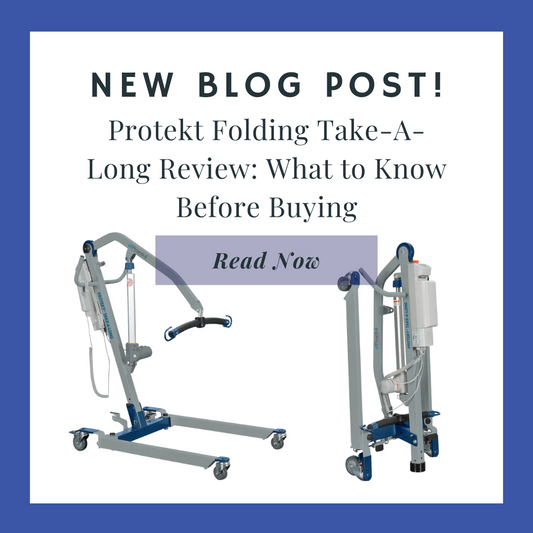
Protekt Folding Take-A-Long Review: What to Kno...
Have you ever run into the problem of needing a full-body patient lift but having no room for storage, or wishing you could take the lift with you when traveling?...
Protekt Folding Take-A-Long Review: What to Kno...
Have you ever run into the problem of needing a full-body patient lift but having no room for storage, or wishing you could take the lift with you when traveling?...


